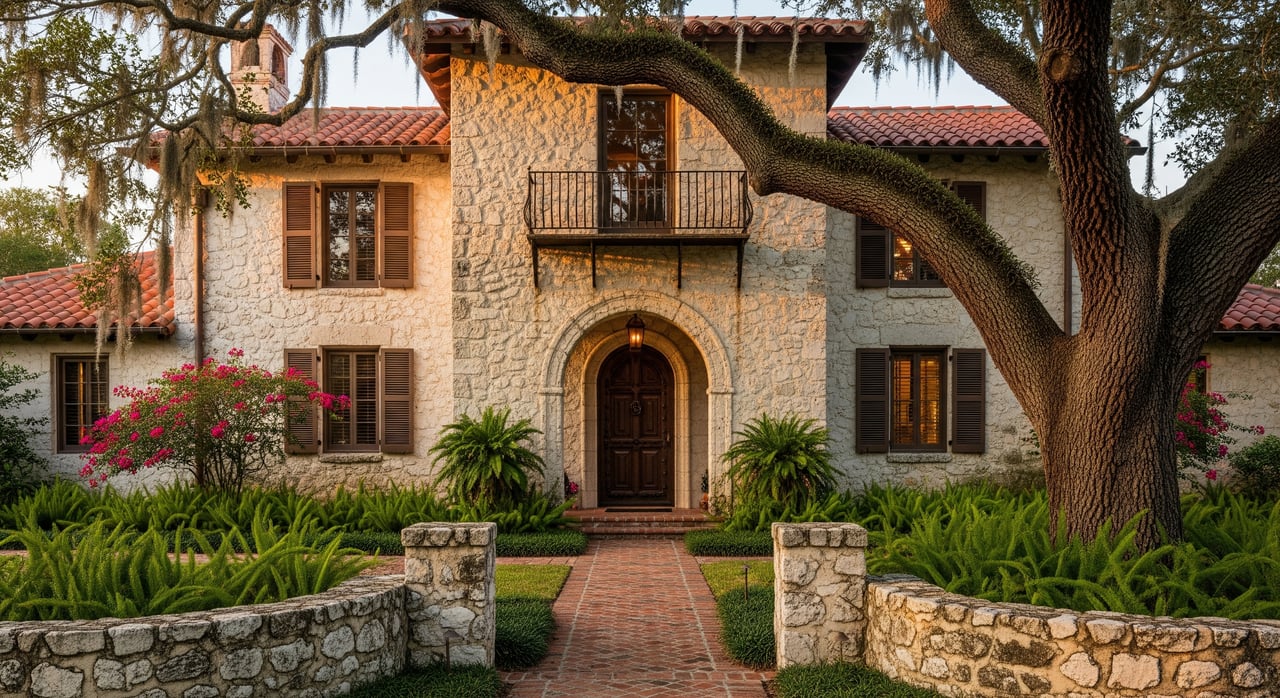
What to Know Before Buying a Historic Home in St. Augustine
January 15, 2026
January 15, 2026
You can feel it the moment you turn onto a brick-lined street in the nation’s oldest city. The porches, clay tile roofs, and coquina walls seem to whisper stories from centuries past. If you are drawn to that character, you also know a historic home can come with extra rules, specialized repairs, and coastal insurance questions. In this guide, you’ll get clear, practical steps for buying in St. Augustine with confidence, from understanding styles and approvals to lining up insurance, financing, and the right experts. Let’s dive in.
St. Augustine’s historic district blends Spanish Colonial, Victorian, and early 20th-century styles. You get narrow streets, front porches, and materials you rarely see in newer homes. The result is a one-of-a-kind lifestyle that is hard to replicate in modern construction. It also means you need a plan for preservation rules, maintenance, and flood resilience.
Historic homes here span several eras. Knowing what you are buying helps you budget and hire the right specialists.
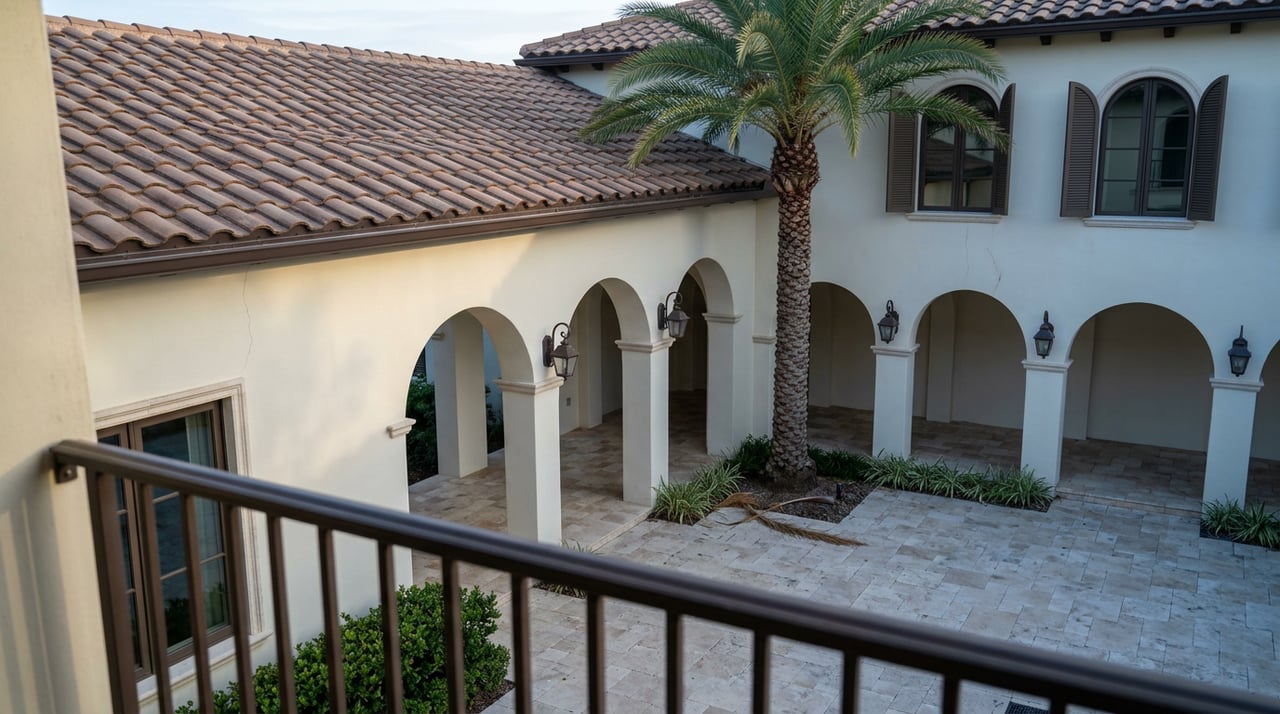
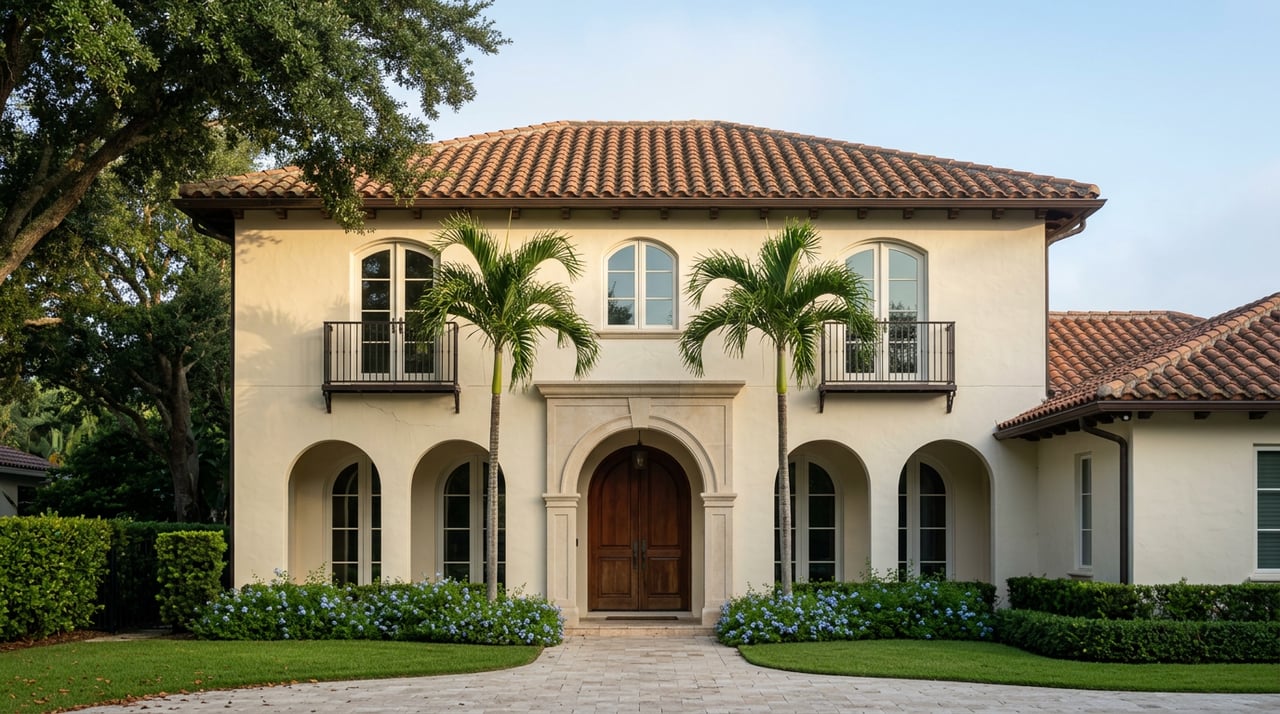
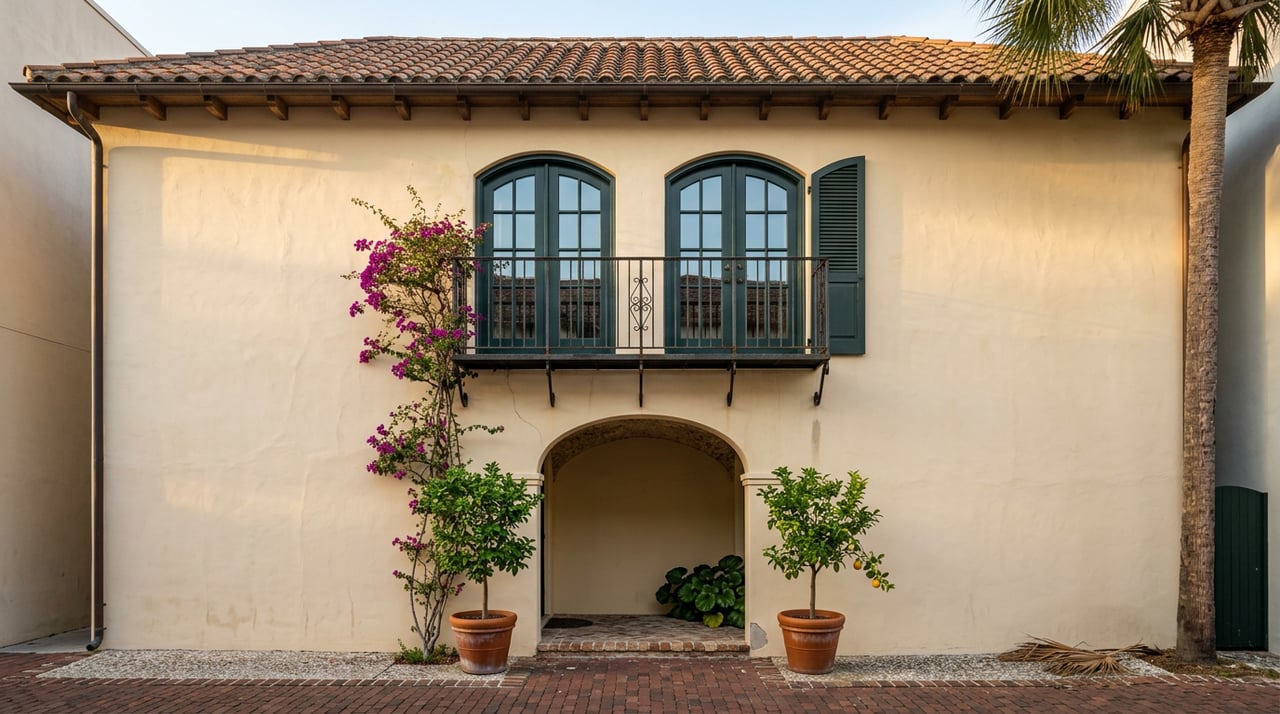
These homes often feature stucco over masonry, smaller window openings, deep porches or arcades, and clay barrel tile roofs. Repairs usually require compatible stucco and roofing techniques.
Some of the oldest structures use coquina or tabby, built from shell and shell-limestone. These soft, lime-based materials need lime mortar, not modern Portland cement. Incompatible repairs can trap moisture and speed deterioration.
Many 19th-century homes are wood-frame with raised foundations, wood siding, and detailed trim. Expect to check for rot, termites, and foundation settlement, and to plan for careful woodwork repair.
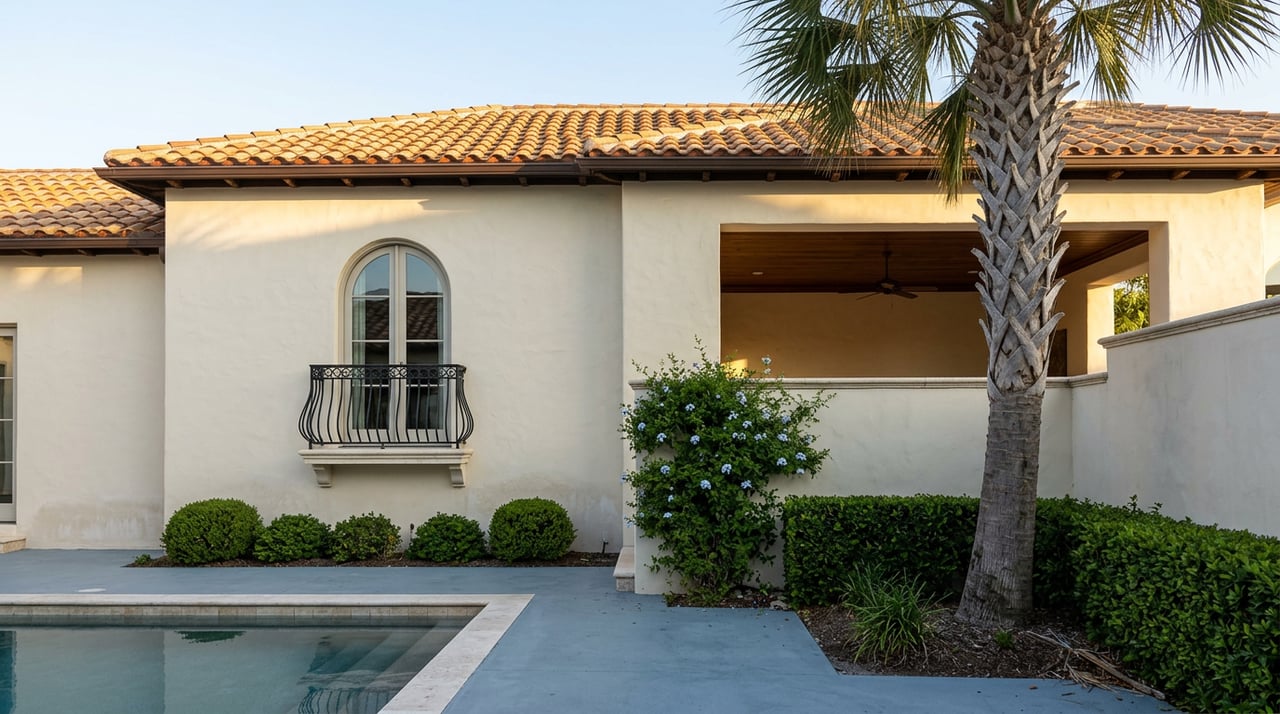
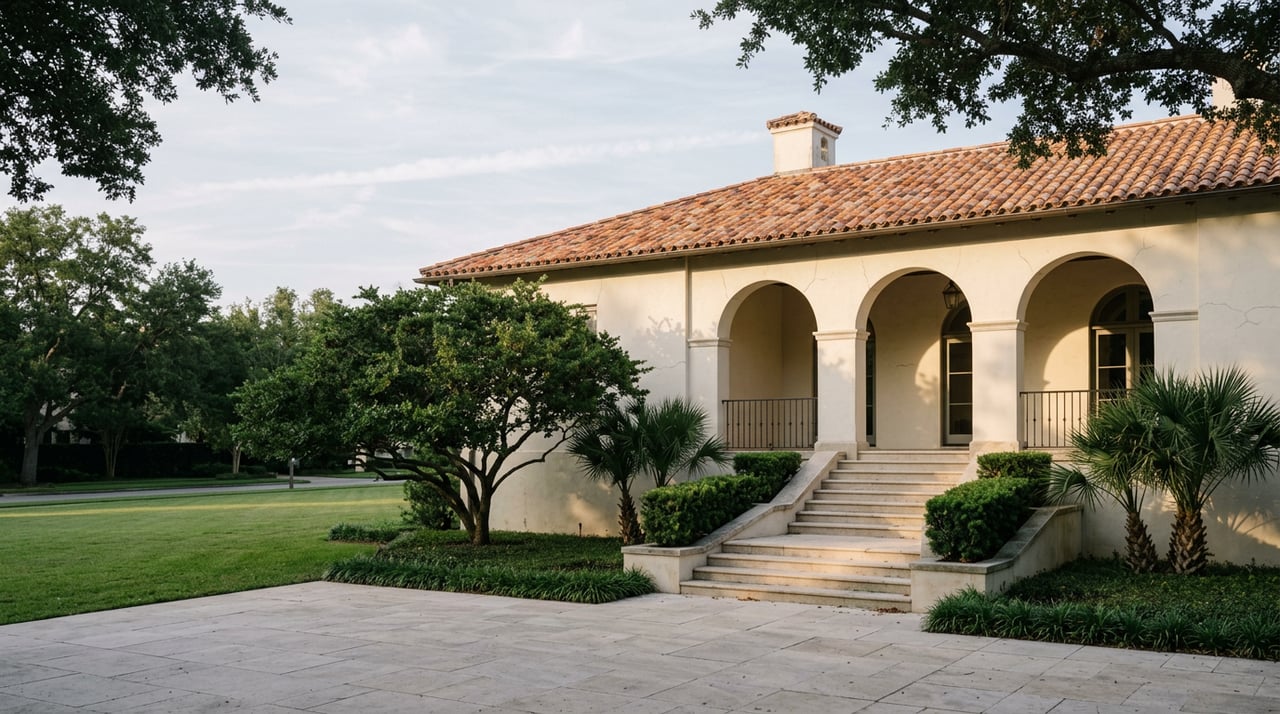
Early 20th-century homes often include stucco walls, clay tile roofs, arched openings, and wrought-iron accents. Roofing and stucco matching can require specialized craftspeople.
If a home sits in a municipal historic district or is locally designated, most exterior changes visible from the street require review. Interior work is usually less regulated. The goal is to preserve the character-defining features of the neighborhood while allowing thoughtful updates.
Here is what typically triggers review:
Some blocks may also regulate paint colors. You will still need standard building permits for structural, electrical, mechanical, plumbing, and site work.
Buying in a historic district adds a step to your project planning. Build time for approvals into your contract timelines and renovation schedule.
Timelines vary. Simple approvals can take a few weeks. Projects that need a public hearing or archaeological review can take months. Factor in application fees and any professional help, like an architect or preservation consultant.
Because St. Augustine is archaeologically sensitive, projects with significant ground disturbance may require assessment or monitoring. If a project uses state or federal funds, state or federal review processes can also apply.
Many historic homes here are in FEMA coastal flood zones. If your lender is federally regulated and the home is in a Special Flood Hazard Area, flood insurance is required. Your premium depends on elevation, flood zone, and mitigation measures, so an elevation certificate can be valuable.
For homeowners coverage, Florida policies often include windstorm or hurricane deductibles. Older or historic homes may require carriers that understand nonstandard materials and restoration needs. If private options are limited, some buyers qualify through Citizens Property Insurance Company, depending on eligibility.
Consider whether your policy truly covers historic features. You may need agreed-value endorsements or coverage options tailored to restoration.
Practical steps before closing:
Conventional mortgages are available for historic homes, but appraisals can be sensitive to condition. Lenders may require repairs or escrows when there is significant deferred maintenance.
If you plan updates, renovation loans can bundle purchase and improvement costs:
Tax incentives: The federal Historic Rehabilitation Tax Credit generally applies to income-producing properties, not owner-occupied primary residences. State and local programs vary over time, so confirm current availability.
Smart financing moves:
A standard home inspection is a starting point. Historic homes benefit from added specialists.
Targeted inspections to schedule:
Red flags and negotiation levers:
Tip: Ask the seller for past permits, COAs, maintenance logs, contractor invoices, and any condition reports. Well-documented histories can reduce your risk and support your offer.
Choose contractors with proven historic experience. Ask for references, project photos, licenses, and certificates of insurance. Look for skills such as lime-mortar pointing, coquina repair, traditional stucco work, clay tile roof repair, and millwork replication.
Energy upgrades and accessibility improvements are often feasible with minimal exterior impact. If you plan items like solar panels or window replacements, expect review on placement and appearance. Panels are often allowed when minimally visible from the street.
Schedule a pre-application conversation with preservation staff before you submit plans or close. It is a low-stress way to confirm what is likely to be approved.
Historic homes reward patience and planning. Build room in both budget and schedule.
Budget and timeline tips:
Negotiation ideas:
Set yourself up for a smooth closing by gathering facts early and building the right team around you. Here is a quick pre-offer checklist you can use.
Pre-offer checklist:
If you would like a curated list of historic-district listings, help retrieving past permits and COAs, introductions to vetted preservation contractors, or coordination of a pre-application meeting, reach out to Michele Tremblay. You will get boutique, white-glove guidance tailored to your goals.
Stay up to date on the latest real estate trends.
Etiam non quam lacus suspendisse faucibus interdum. Orci ac auctor augue mauris augue neque. Bibendum at varius vel pharetra. Viverra orci sagittis eu volutpat.
LET'S CONNECT
MICHELE TREMBLAY
13000 Sawgrass Village Cir. Bldg. 1, #3 Ponte Vedra Beach, FL 32082