Choosing Between Historic And Beachside Living In St. Augustine
May 21, 2026
May 21, 2026
You can build two very different lifestyles in St. Augustine without moving far at all. One puts you in the middle of brick streets, historic buildings, museums, dining, and seasonal events. The other brings you closer to the ocean, beach access points, and a more coastal day-to-day rhythm. If you are trying to choose between historic and beachside living in St. Augustine, this guide will help you compare the feel, housing, mobility, and everyday tradeoffs so you can decide what fits you best. Let’s dive in.
St. Augustine’s historic core is the oldest part of the city, and its layout still reflects a late-1500s Spanish street plan. That means you will find narrow streets, one-way traffic patterns, and a built environment that was shaped long before modern cars. The downtown district is also listed on the National Register of Historic Places, with more than 20 listed sites inside the district.
If you are drawn to a place with architectural character and a strong sense of place, the historic core offers that in a very visible way. The streetscape, building forms, and preservation framework all help maintain the area’s identity. Daily life here often feels more pedestrian-focused than car-focused.
Historic downtown is known as a walkable district with shopping, museums, historic churches, dining, live music, and event programming close together. That concentration can make it easier to enjoy your surroundings without needing to drive for every outing. If your ideal day includes wandering through town, stopping for coffee, and ending with dinner or a cultural event, this setting may feel natural.
There is also a seasonal energy to downtown. Events such as Nights of Lights bring large crowds, and the city uses pedestrian barricades, traffic controls, perimeter parking, and shuttle systems to manage attendance. For some buyers, that atmosphere is part of the charm. For others, it is an important lifestyle factor to weigh carefully.
St. Augustine Beach is a separate coastal city about five miles southeast of St. Augustine. It was incorporated in 1959 and covers about 2.5 square miles. Its setting is defined by the Atlantic Ocean, A1A, beach access, and coastal residential streets.
If your version of home starts with salt air, morning beach walks, and easier access to outdoor recreation, beachside living may feel like the stronger fit. The pace can feel more spread out and road-oriented than the historic core. Instead of a dense downtown grid, you are living in a barrier-island environment shaped by access points, coastal rules, and recreation.
Beachside life centers more on the coastline and outdoor time. St. Johns County highlights dune walkovers, off-beach parking, vehicular beach access in certain areas, boardwalks, showers, restrooms, lifeguards, and parks across the county beach system. Anastasia State Park adds kayaking, windsurfing, hiking and biking trails, camping, and seasonal lifeguards.
Dining is available on the beach side too, but the pattern is different. Instead of one dense historic core, the restaurant mix is more dispersed along A1A and beach intersections. The overall feel is more casual and coastal, with recreation often taking the lead over downtown-style activity.
Your housing preferences may end up being the deciding factor. Historic and beachside living in St. Augustine do not just look different. They are also guided by different rules, design standards, and building patterns.
In the historic core, the City of St. Augustine uses Historic Preservation zoning districts and HARB review to protect the built environment. In these districts, alterations and demolition require review, and architectural guidelines help determine compatibility with the surrounding area. In practical terms, that means homeowners in historic areas may have more design oversight than they would in a typical neighborhood.
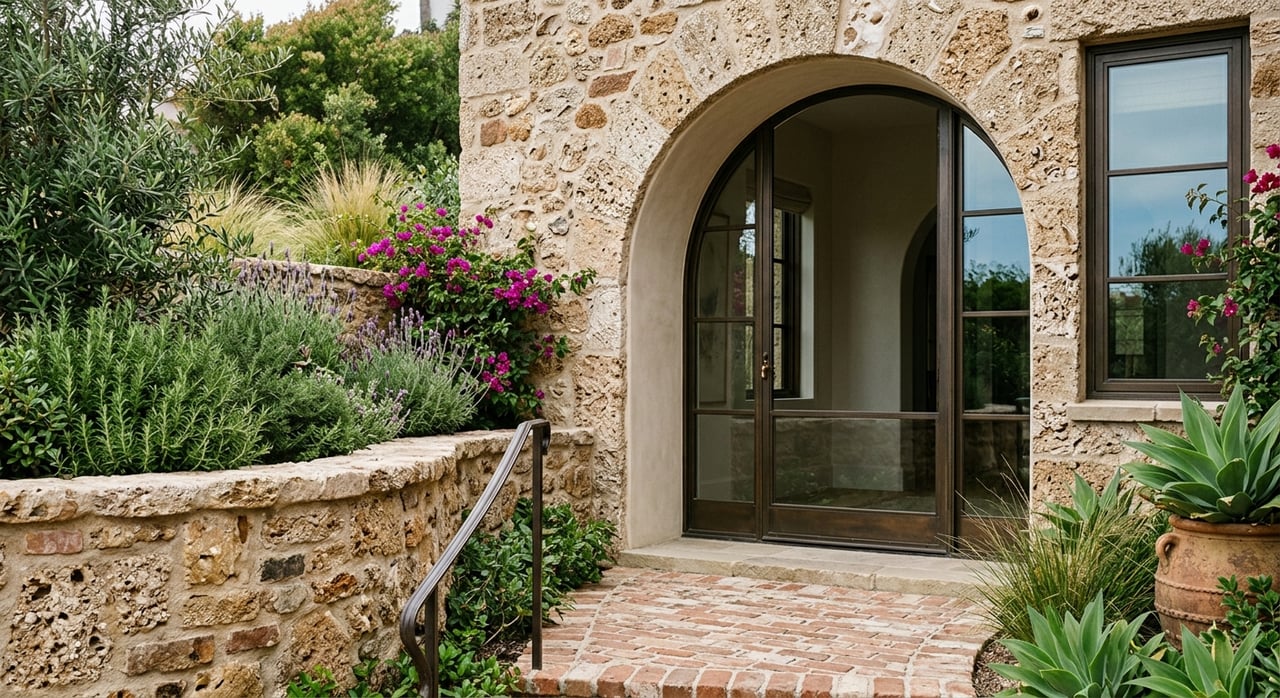
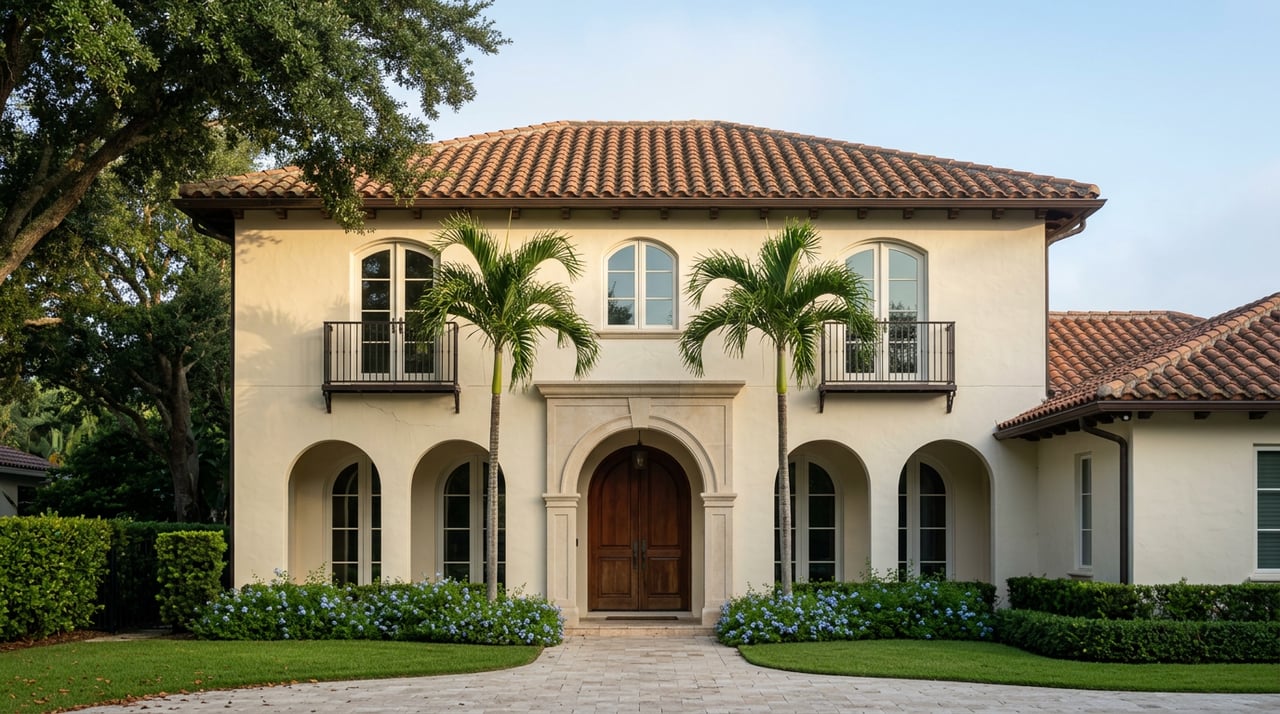
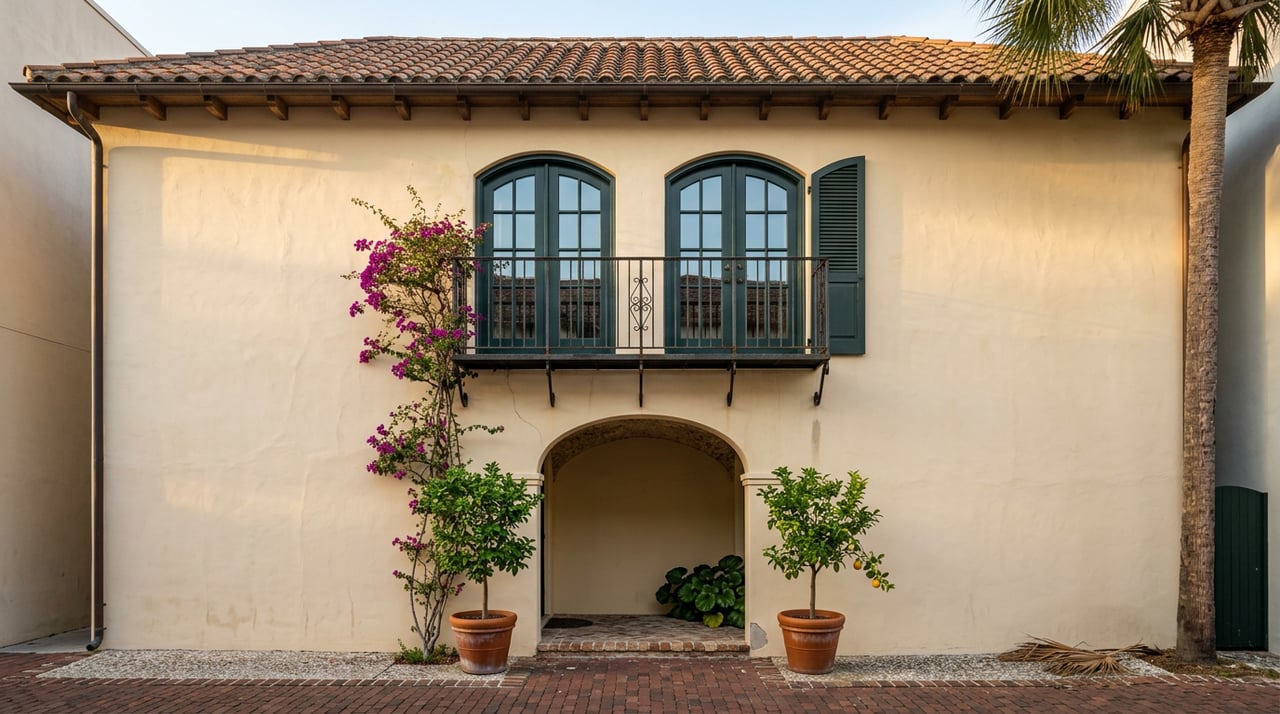
The city’s architectural guidance includes styles such as Spanish and British period Colonial, Frame Vernacular, St. Augustine Colonial Revival, Queen Anne, Mediterranean-influenced styles, Bungalow, and Flagler-era architecture depending on the district. If you love older homes, layered architectural detail, and a preserved streetscape, this can be a major advantage. If you prefer fewer design constraints, it may feel more limiting.
St. Augustine Beach has a broader residential mix that is less tied to a single historic style. City classifications reference single-family homes, duplexes, triplexes, quadplexes, townhomes, and multifamily condominiums. That gives buyers a wider spread of housing formats, especially if you are considering a condo, a lower-maintenance townhome, or a smaller coastal property.
Building considerations on the beach side are also shaped by environmental and coastal conditions. The city highlights rules tied to lighting, dune protection, and habitat conservation. Exterior lighting must be turtle-friendly and shielded so it is not visible from the beach during sea turtle nesting season, which the city notes runs roughly from May through October.
One of the clearest differences between these two lifestyles is how you move through your day. If convenience means walking to restaurants and attractions, historic downtown has a strong edge. If convenience means getting to the beach quickly and living near access points, beachside may suit you better.
The City of St. Augustine describes itself as very walkable, with a walk score of 85 out of 100. The city also notes sidewalks on most streets and a downtown bicycle culture supported by bike parking. The STAR Circulator provides free daily downtown shuttle service on a 1.12-mile loop, with a typical travel time of about 15 minutes.
That level of walkability is a major lifestyle perk. You may be able to run errands, meet friends, or spend an evening out without moving your car much at all. For buyers who want a highly connected, on-foot experience, this is one of downtown’s strongest advantages.
The tradeoff is parking. The city says downtown parking is exceptionally limited and highly sought after because the street system was built for foot traffic, horses, and carriages rather than cars. Current downtown parking information includes 4-hour time limits, metered spaces, and a parking garage rate of $20 per entry, with a St. Johns County resident rate of $3 per entry.
If you are considering the historic core, think honestly about how often you drive and how much parking access matters to you. A charming, walkable setting can be worth the compromise for many buyers. Still, it is a real day-to-day factor, especially during busy seasons and large events.
Beachside travel tends to be more road-oriented. A1A is the main corridor, and the Red Line connects A1A, downtown, and the county government center. You can still reach downtown from the beach side, but the lifestyle is generally more vehicle-dependent than living in the historic core.
Parking is also organized differently. Instead of relying on one central garage, St. Augustine Beach lists public parking at multiple beach-related locations including Ocean Hammock Park, Pier Park, 16th Street, 14th Street Plaza, 11th Street, 10th Street, 8th Street, 5th Street, 4th Street, 3rd Street, and 2nd Avenue/A Street.
Where you live affects what your weekends look like and how much surrounding activity you want near home. This is where lifestyle becomes very personal.
Historic downtown is often the better fit if you want dining, shopping, museums, live music, and events within a compact area. The appeal is less about one specific amenity and more about having many options close together. You can step outside and feel connected to the city’s rhythm right away.
That said, downtown activity also means more crowding during major events. Nights of Lights is a clear example, with traffic controls and crowd-management measures in place throughout the area. If you enjoy being close to activity, that may feel exciting. If you prefer a quieter home base, you may want more distance from the event core.
Beachside living often appeals to buyers who want recreation to be part of everyday life. Fishing, surfing, horseback riding, sunbathing, beachcombing, and beach driving are all part of the broader coastal environment described by local sources. The beach side can make it easier to build outdoor time into your routine instead of saving it for weekends.
Noise management also looks different on the beach side. Local ordinances restrict amplified sound for certain special events between 10:00 p.m. and 9:00 a.m. on city- or county-owned land. The resident-only parking system is also intended in part to reduce excessive noise and traffic pressure and help residents access their homes.
If you are torn between the two, focus on how you want your normal week to feel rather than how a vacation weekend feels. The right choice is usually the one that matches your habits, not just your wishlist.
Sometimes the clearest answer comes from a few simple filters. Before you choose, think through these questions carefully.
If you want to park less and walk more, historic downtown is likely the stronger match. If you are comfortable driving for errands, dining, or a trip into town, beachside may feel just right.
Historic areas place you closer to event traffic, dining clusters, and seasonal energy. Beachside living can still be active, but the pattern is usually more spread out and centered on recreation rather than a concentrated downtown district.
Limited parking is one of the biggest practical considerations in the historic core. On the beach side, parking is distributed across access points and resident systems, which creates a different kind of routine.
If your ideal weekend includes museums, live music, shopping, and dinner downtown, the historic core may fit your lifestyle better. If it includes beach walks, surf, sand, and outdoor recreation, beachside living may be the more natural choice.
Choosing between historic and beachside living in St. Augustine is ultimately about matching your home to your daily rhythm. Both offer a strong sense of place, but they deliver it in very different ways. If you want thoughtful guidance as you compare neighborhoods, housing styles, and lifestyle priorities in Northeast Florida, Michele Tremblay can help you make a confident move.
Stay up to date on the latest real estate trends.
Etiam non quam lacus suspendisse faucibus interdum. Orci ac auctor augue mauris augue neque. Bibendum at varius vel pharetra. Viverra orci sagittis eu volutpat.
LET'S CONNECT
MICHELE TREMBLAY
13000 Sawgrass Village Cir. Bldg. 1, #3 Ponte Vedra Beach, FL 32082